Automotive
XiL Engineering für virtuelle ECU-Validierung
XiL engineering for virtual ECU validation
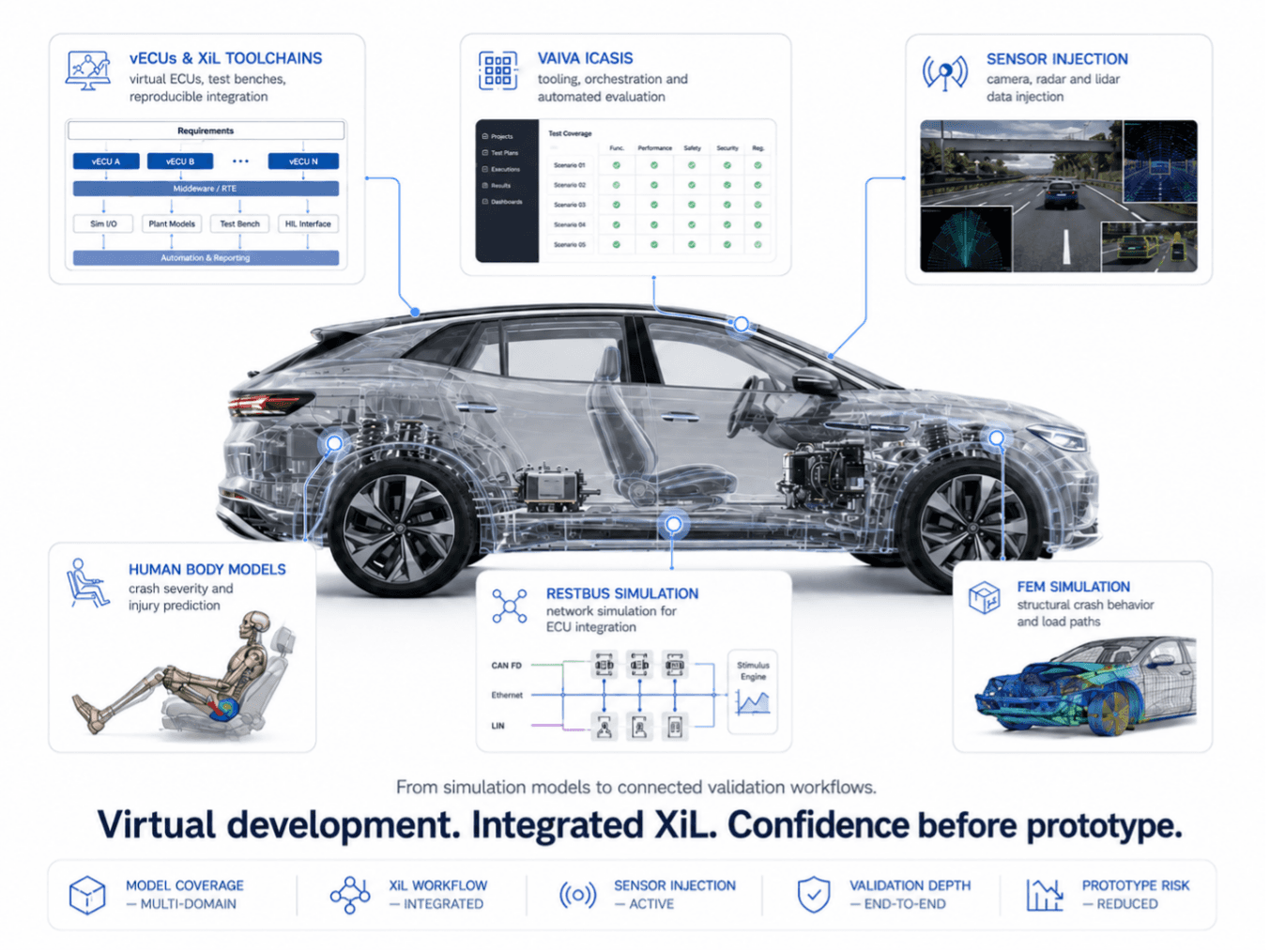
Moderne Fahrzeugentwicklung hängt davon ab, ECU-Software validieren zu können, bevor alle physischen Komponenten und vollständige Fahrzeugnetzwerke verfügbar sind. Restbus-Simulation macht dies möglich, indem fehlende Netzwerkteilnehmer simuliert werden, sodass das zu testende Steuergerät oder die zu testende Funktion in realitätsnahen Testumgebungen bewertet werden kann.
Für ein Premium-Automotive-Entwicklungsprogramm unterstützte VAIVA die Analyse, Konzeption, Umsetzung und Validierung von Restbus-Modellen für simulierte ECUs über verschiedene Fahrzeugplattformen hinweg. Die Arbeit umfasste Funktionslogiken, Signalketten, Regelverhalten und das physikalische Verhalten von Fahrzeugsystemen.
Die Modelle wurden in Virtual-Test-Drive-Umgebungen, Offline-Simulationen sowie an SiL-/HiL-Prüfständen eingesetzt. Dadurch konnten Entwicklungsteams Funktionen früher validieren, Issues schneller analysieren und Simulations-Assets über verschiedene Teststufen hinweg wiederverwenden. Dies entspricht etablierter XiL-Praxis, bei der Standards wie ASAM XIL die Wiederverwendung und Übertragung von Testfällen über MiL-, SiL-, HiL- und weitere Testsysteme unterstützen.
VAIVA implementierte außerdem Regelwirkketten für Geschwindigkeitsregelung, Querdynamik und Trajektorienfolge. Parallel unterstützte unser Team Fehleranalyse und Issue Resolution für virtuelle Fahrzeug- und Umgebungsmodelle — sowohl offline als auch direkt am Prüfstand.
Zur Verbesserung der Release-Effizienz entwickelte VAIVA die Virtual Test Drive TestSuite für Modul- und Release-Tests neu und automatisierte den Release-Prozess für vECU-Adapter, die in der SiL-Simulation eingesetzt werden. Unterstützende Tools wie ein ModelGenerator halfen dabei, wiederkehrende Engineering-Aufgaben zu standardisieren und manuellen Aufwand zu reduzieren.
Die Ergebnisse: Ein robuster XiL-Engineering-Setup für virtuelle ECU-Validierung mit wiederverwendbaren Restbus-Modellen, automatisierten Release-Workflows und schnellerer Fehlerbehebung über SiL- und HiL-Umgebungen hinweg.
Capability Highlights
Restbus Model Engineering
Analyse, Konzeption, Umsetzung und Validierung simulierter ECU-Logiken und Wirkketten über Fahrzeugplattformen hinwegVehicle Dynamics and System Modelling
Modellierung physikalischen Fahrzeugverhaltens und von Systeminteraktionen für realistische virtuelle ValidierungSiL/HiL Issue Resolution
Fehleranalyse und Korrektur von Virtual-Test-Drive-Restbusmodellen offline und an SiL-/HiL-PrüfständenControl Chain Implementation
Entwicklung von Regelungslogiken für Geschwindigkeitsregelung, Querdynamik und TrajektorienfolgeVirtual Test Drive TestSuite Development
Neuentwicklung von Testsuites für Modul-Tests, Release-Tests und wiederkehrende ValidierungsworkflowsvECU Adapter Release Automation
Automatisierung von Release-Prozessen für virtuelle ECU-Adapter in der SiL-SimulationEngineering Tool Development
Entwicklung und Support von Productivity Tools wie einem ModelGenerator zur Standardisierung und Beschleunigung der Modellerstellung oder VPFBasis zur Erstellung von Simulationsumgebung und SchnittstellenTestbench Toolchain and Sensor Injections
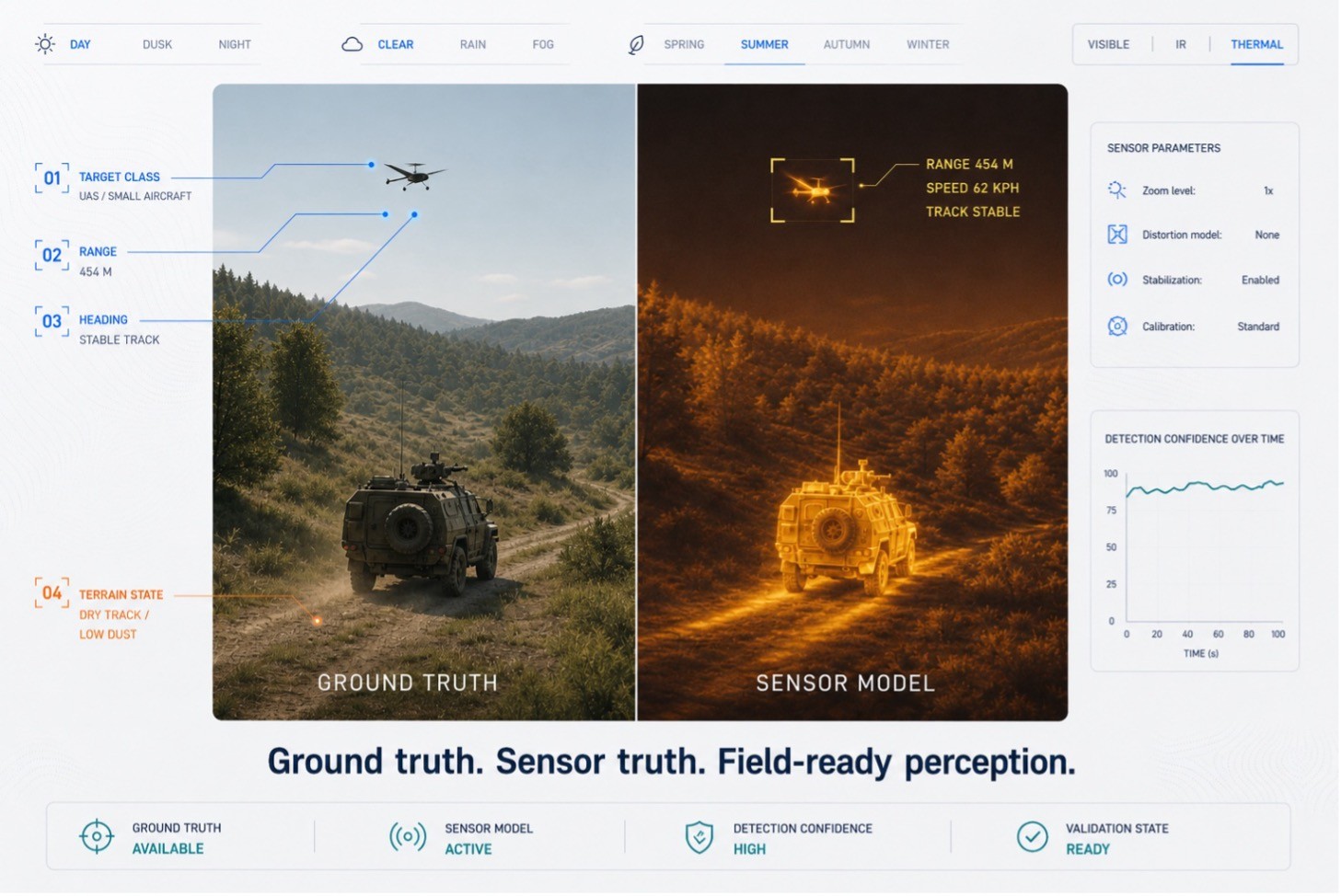
Erfolgreiche Bereitstellung von HiL-Prüfstandslösungen für Umgebungssimulation und Sensorinjektion unter Nutzung bewährter Frameworks wie FEP und ROSCI/CD/CT-supported Virtual Validation Workflows
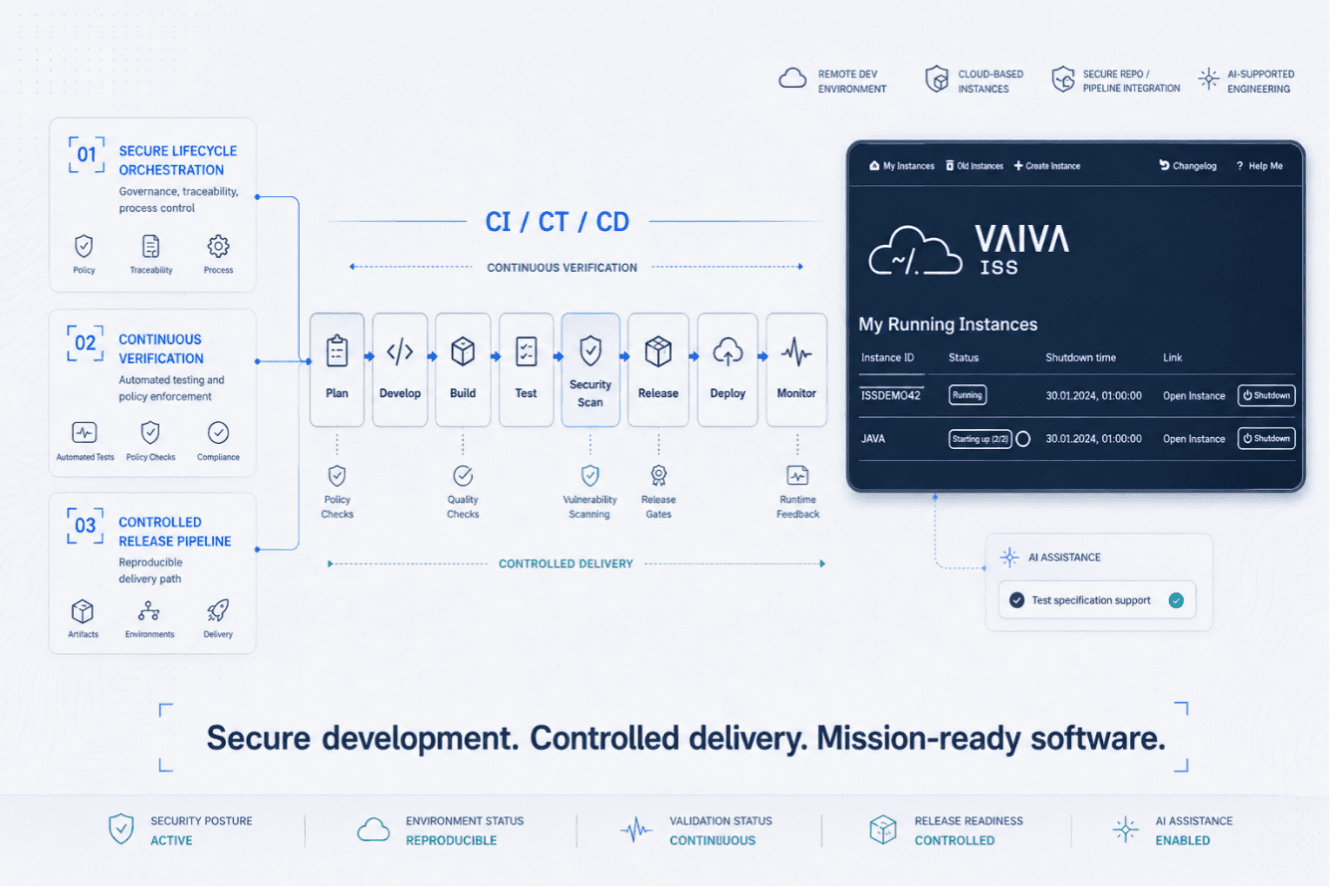
Integration automatisierter SiL-/HiL-Validierung und Regressionstests in Continuous-Integration-, Continuous-Delivery- und Continuous-Testing-Pipelines, um Software-Releases zu beschleunigen und Validierungseffizienz zu erhöhenSoftware-defined Vehicle Development Support
Unterstützung SDV-orientierter Entwicklung durch skalierbare virtuelle ECU-Validierung, wiederverwendbare Simulations-Assets und automatisierte virtuelle TestworkflowsEnd-to-end Virtual Validation Framework
Aufbau eines skalierbaren Frameworks zur Entwicklung, Integration und Validierung von Funktionen, simulierten ECUs und vollständigen Fahrzeugmodellen in einem einheitlichen virtuellen Entwicklungsworkflow