Automotive
XiL Engineering for virtual ECU validation
XiL engineering for virtual ECU validation
Modern vehicle development depends on being able to validate ECU software before all physical components and complete vehicle networks are available. Rest-bus simulation makes this possible by simulating missing network participants so that the control unit under test or the function under test can be evaluated in realistic test environments.
For a premium automotive development program, VAIVA supported the analysis, concept, implementation, and validation of rest-bus models for simulated ECUs across various vehicle platforms. The work covered functional logic, signal chains, control behavior, and the physical behavior of vehicle systems.
The models were used in Virtual Test Drive environments, offline simulations, and at SiL/HiL test benches. This enabled development teams to validate functions earlier, analyze issues faster, and reuse simulation assets across different test stages. This aligns with established XiL practice, where standards such as ASAM XIL support the reuse and transfer of test cases across MiL, SiL, HiL, and other test systems.
VAIVA also implemented control chains for speed control, lateral dynamics, and trajectory tracking. In parallel, our team supported fault analysis and issue resolution for virtual vehicle and environment models — both offline and directly at the test bench.
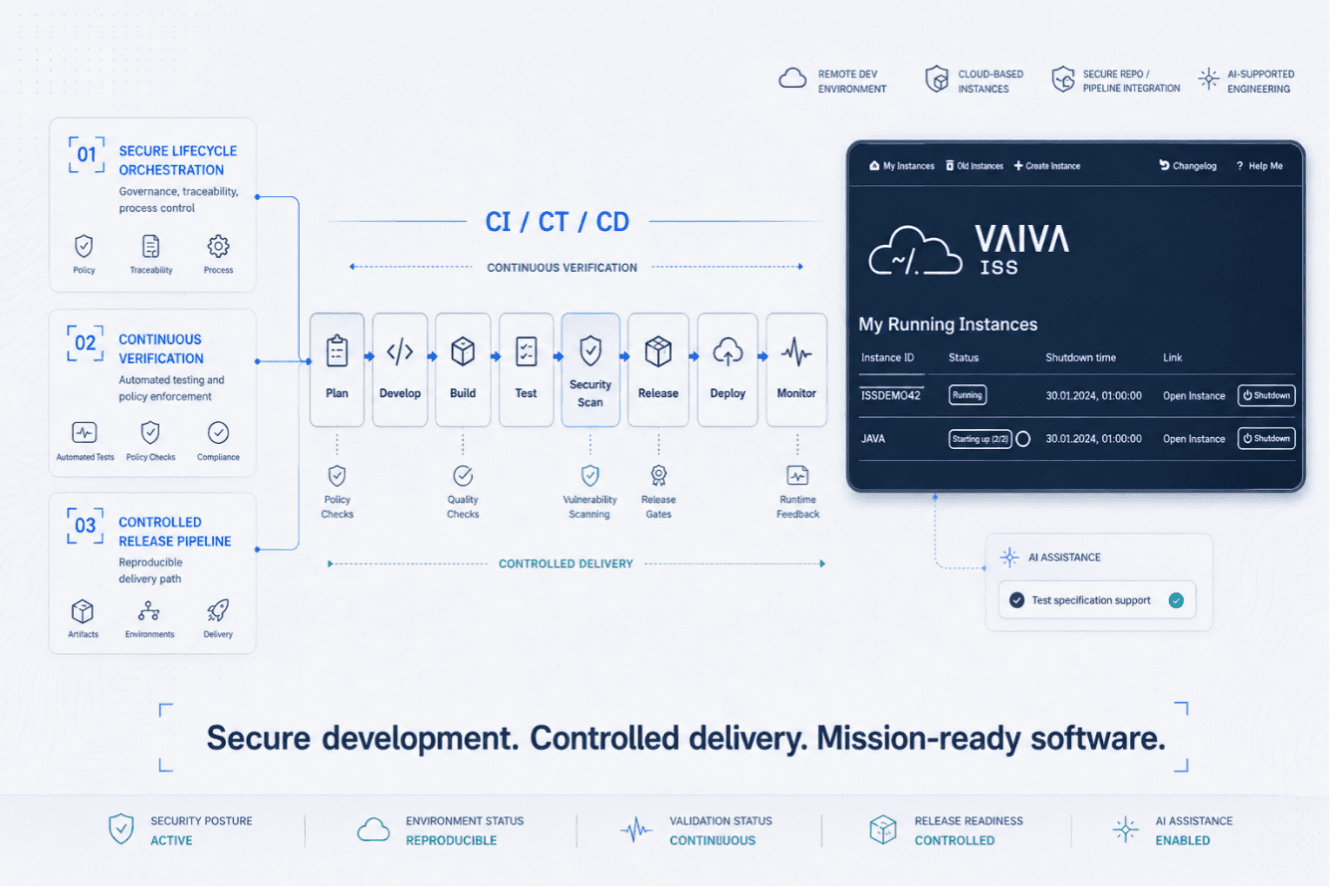
To improve release efficiency, VAIVA redesigned the Virtual Test Drive TestSuite for module and release tests and automated the release process for vECU adapters used in SiL simulation. Supporting tools such as a ModelGenerator helped standardize recurring engineering tasks and reduce manual effort.
The results: A robust XiL engineering setup for virtual ECU validation with reusable rest-bus models, automated release workflows, and faster issue resolution across SiL and HiL environments.
Capability Highlights
Restbus Model Engineering
Analysis, concept, implementation, and validation of simulated ECU logic and chains of effect across vehicle platformsVehicle Dynamics and System Modelling
Modeling the physical behavior of vehicles and system interactions for realistic virtual validationSiL/HiL Issue Resolution
Fault analysis and correction of Virtual Test Drive rest-bus models offline and at SiL/HiL test benchesControl Chain Implementation
Development of control logic for speed control, lateral dynamics, and trajectory trackingVirtual Test Drive TestSuite Development
Redesign of test suites for module tests, release tests, and recurring validation workflowsvECU Adapter Release Automation
Automation of release processes for virtual ECU adapters in SiL simulationEngineering Tool Development
Development and support of productivity tools such as a ModelGenerator to standardize and accelerate model creation or VPFBasis for creating simulation environments and interfacesTestbench Toolchain and Sensor Injections
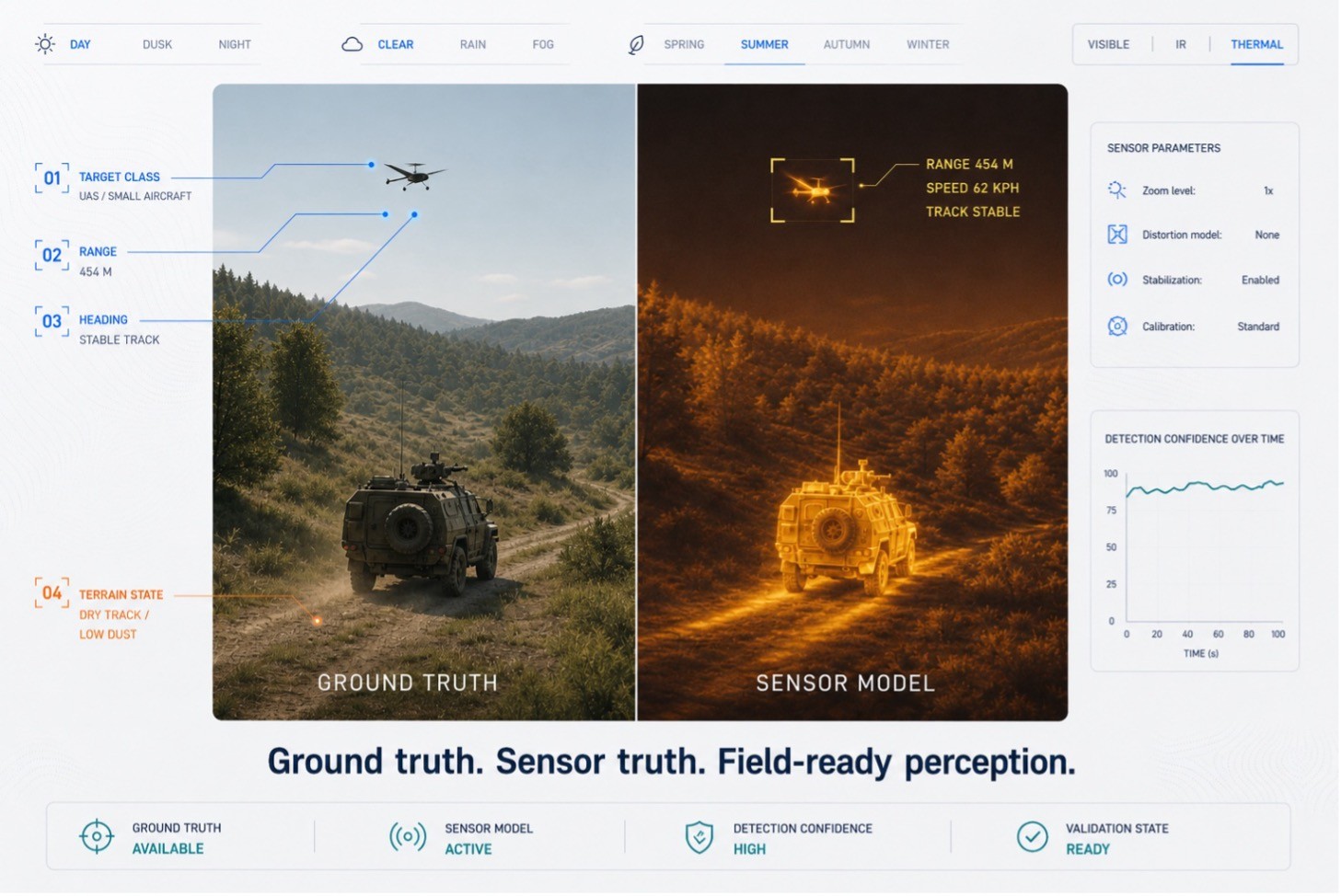
Successful delivery of HiL test bench solutions for environment simulation and sensor injection using proven frameworks such as FEP and ROSCI/CD/CT-supported Virtual Validation Workflows
Integration of automated SiL/HiL validation and regression testing into continuous integration, continuous delivery, and continuous testing pipelines to accelerate software releases and increase validation efficiencySoftware-defined Vehicle Development Support
Support for SDV-oriented development through scalable virtual ECU validation, reusable simulation assets, and automated virtual test workflowsEnd-to-end Virtual Validation Framework
Building a scalable framework for developing, integrating, and validating functions, simulated ECUs, and complete vehicle models in a unified virtual development workflow